A Conversation with Dr. Loren Toussaint
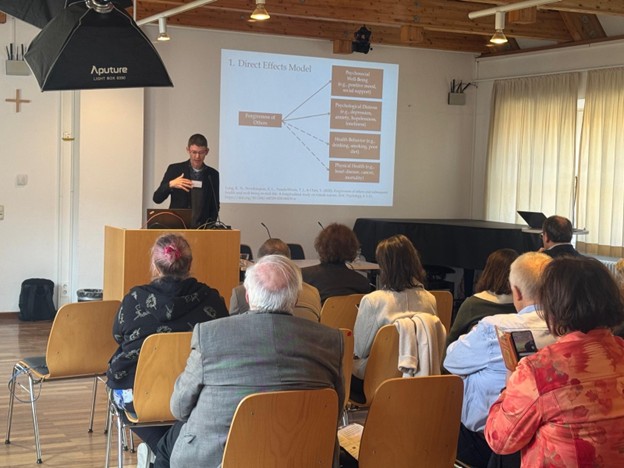
TEMPLE DENTAL’S LEADERSHIP thinks outside the box when it comes to supporting its students’ mental health. One shining example of their innovative approach was the week of programs presented in June by the Humanistic Culture and Wellness Committee which included a zoom presentation on forgiveness. Led by Dr. Loren Toussaint, professor of psychology and president founder of the Forgiveness Foundation, approximately 80 post baccalaureate and dental assisting students participated, enthusiastically engaging with comments and questions. The overwhelmingly positive response prompted the School to add a session on forgiveness for the incoming DMD student orientation.
Dr. Toussaint discussed the connection between mental health, burnout, and self-forgiveness, emphasizing that self-forgiveness has often shows stronger benefits than forgiving others. He explained the ABC Model of self-forgiveness, which includes acceptance, benefit-finding, and commitment, and suggested that dental students might resonate with self-forgiveness due to the perfectionist demands of the profession. Dr. Toussaint emphasized the diverse nature of forgiveness, ranging from minor relationship issues to severe traumas, and described it as a “miraculously constructive and productive” way to navigate difficult situations.
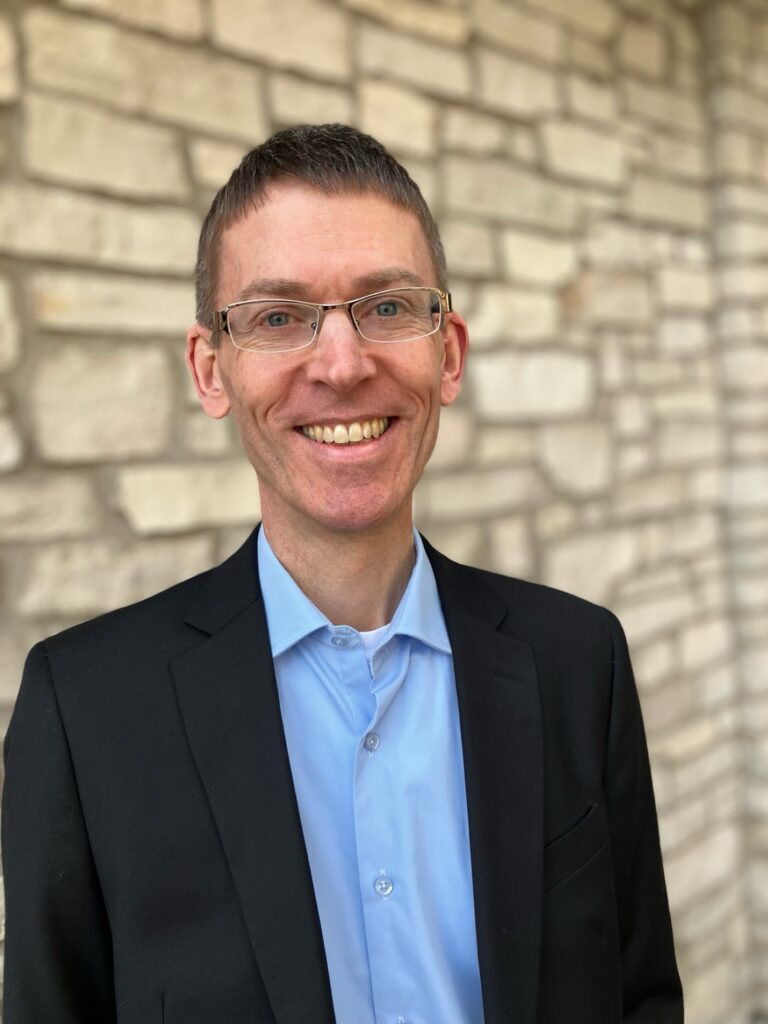
Dr. Toussaint began his journey of studying forgiveness at the University of Michigan, initially drawn by its relevance to his Christian upbringing and experimental work on learned helplessness. Despite his modest view of himself as a student rather than an expert, his research gained significant attention (including coverage in the New York Times). His collaboration with Dean Ismail began at the University of Michigan dental school and led to a research paper on students’ mental health and forgiveness. Dr. Toussaint emphasizes the diverse nature of forgiveness, ranging from minor relationship issues to severe traumas, and described it as a “miraculously productive” way to navigate difficult situations.
Temple Dental believes in nourishing all aspects of student life, from rigorous clinical training to community service to supporting mental health which will allow graduates to thrive and excel in their personal lives as well as in the industry.
| From Forgiveness: Questions and Simple Answers by Dr. Loren Toussaint, PhD, and Rev. Dr. Michael Barry, D.Min. Self-forgiveness is the result of a person’s successful attempt to find personal peace, contentment, and gratitude following 1. self-inflicted moral injury against oneself and/or other(s), and/or 2. self-inflicted moral injury created by neglect; something we could or should have done but did not do. Self- forgiveness cannot change the past, but it will change the future. Although both self-forgiveness and forgiveness of others share a common goal of alleviating personal pain, the processes are very different. Both require reflection, compassion, empathy, and clarity of terms, purpose, and meaning. Both share the goal of personal self-improvement. However, there are important differences, the most obvious being the object of our hostility. Self-forgiveness is the experience of emotional relief from the painful burden of self -condemnation. |
|---|
Links to additional resources: forgivenessfoundation.org